
Toronto has experienced a massive building boom over the past few decades. Entire neighborhoods have transformed with new developments, condos, and modern builds. But throughout the city — especially in established pockets — you’ll still find homes built during eras influenced by Victorian architecture
This particular house reflects that transition. It carries subtle Victorian elements — classic fireplace features and warm materials — yet it sits in a modern Toronto market where buyers and homeowners lean toward contemporary design.
Whether you’re staging a home to sell in Toronto or simply updating your own space, the challenge is the same:
How do you blend dated or historic elements with modern living without creating visual conflict?
This project became a beautiful example of how good staging principles are simply good design principles.
Why Ultra-Modern Furniture Can Make a Dated Home Look Worse
One of the biggest mistakes I see in both home staging and general decorating is placing ultra-contemporary furniture into a home with strong historic features.
Instead of modernizing the space, the contrast highlights what feels outdated.
When old and new fight each other, the house loses cohesion.
The goal isn’t to erase the history.
It’s to blend eras intentionally.
This approach works whether you’re:
- Preparing a Toronto home for sale
- Decorating a Toronto Victorian-era property
- Updating a builder-basic house
- Or simply trying to make inherited features feel current
Using Existing Features as Your Design Foundation
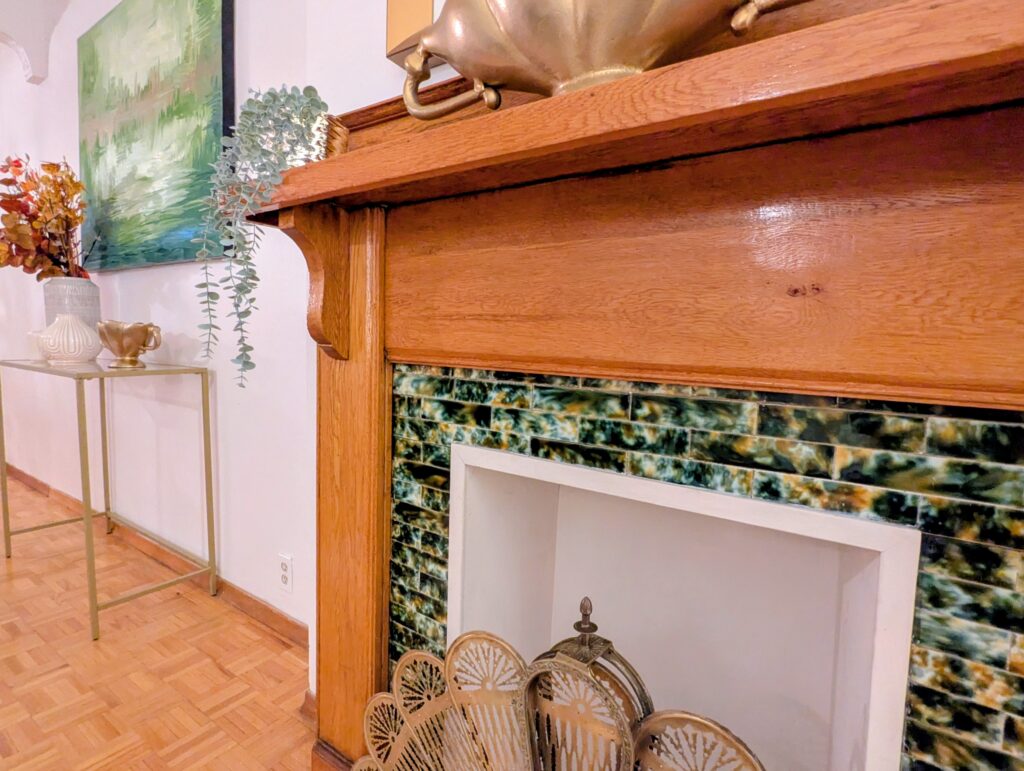
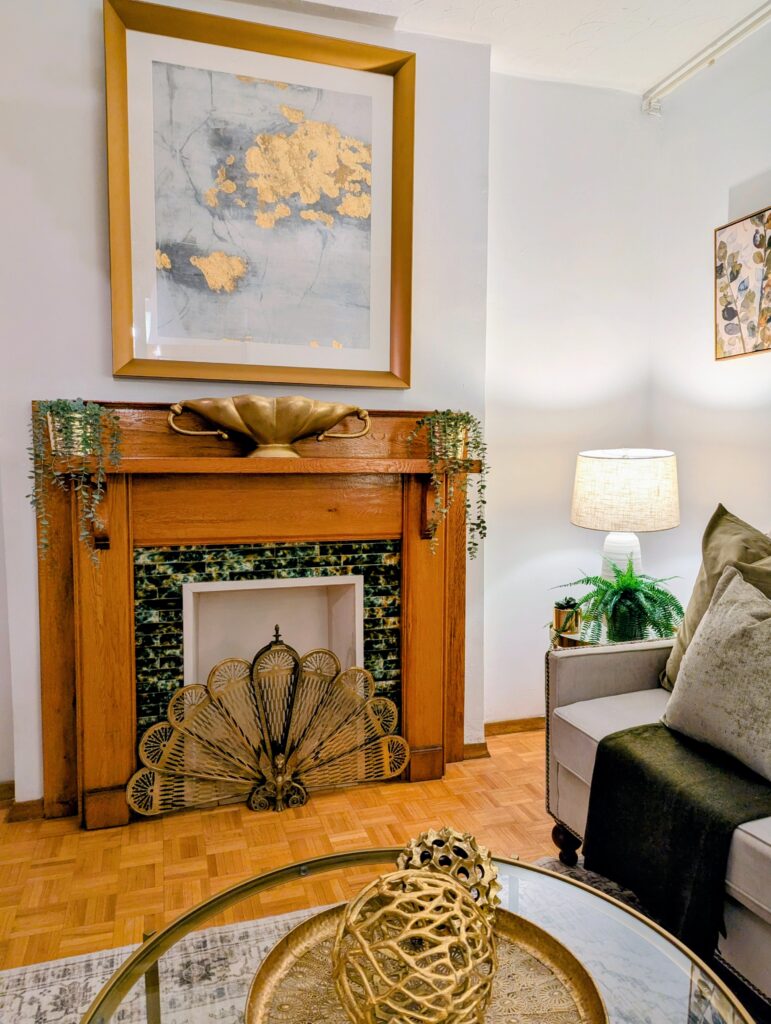
The strongest feature in this home was the fireplace.
It had stunning green tilework and gold-accented light fixtures — details that reflect classic design influences from Toronto’s Victorian building periods.
Instead of ignoring those features, I used them as my starting point.
Good design always begins with what already exists.
How to Use Green in Home Decor (Without Trying to Match It Perfectly)
Green has become one of the most important design trends since the pandemic. During lockdown, people craved warmth, nature, and organic tones in their living spaces.
Check out Bengerman paint
But here’s the key design tip:
Don’t try to match colors exactly. Layer tones instead.
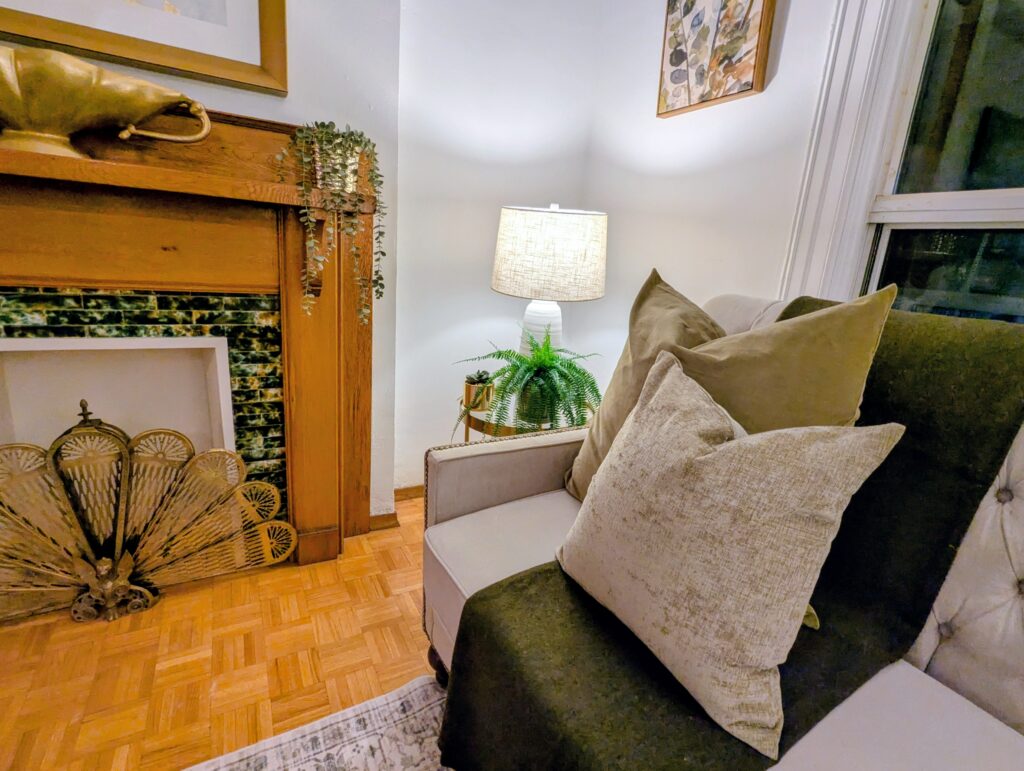
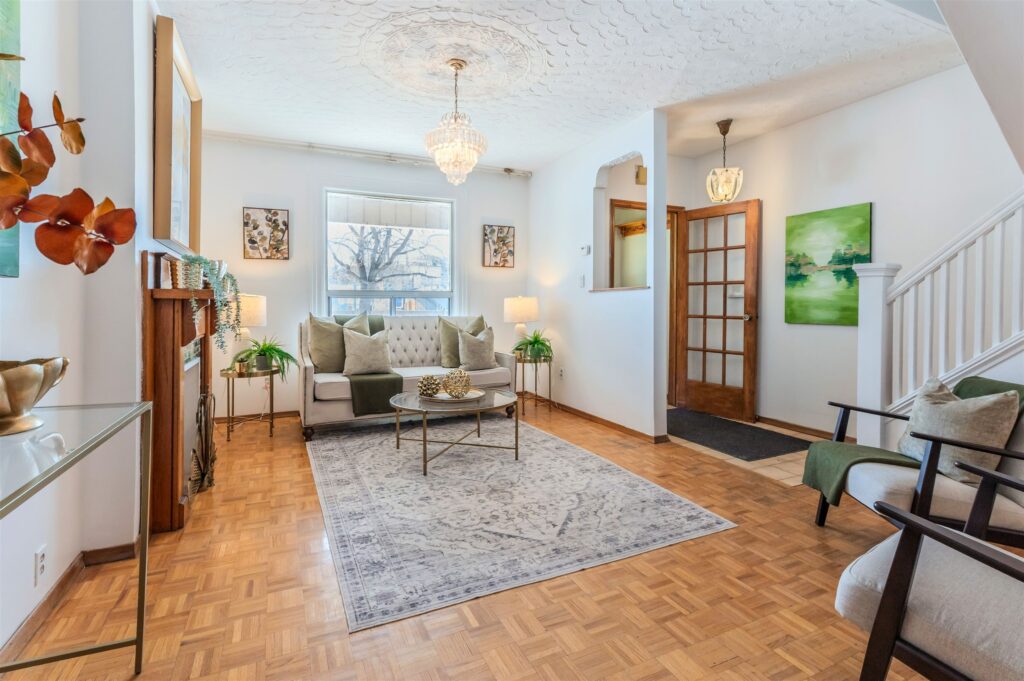
In this living room I incorporated:
- Multiple plants in varying greens
- Two different green cushions
- A different green toned throw
- Artwork with layered green hues
- Gold accents to tie into the light fixtures
When you layer tones of the same color family, it feels rich and intentional instead of mismatched.
This works in staging — and in everyday decorating.
If you’re considering adding green to your own home, you can explore these popular green paint colors from Sherwin-Williams to see trending sage, olive, and deep forest shades that work beautifully in both modern and historic homes.
For more inspiration, browse the Benjamin Moore Canada green paint collection, which features everything from muted sage tones to rich, dramatic greens perfect for Victorian-style homes.
Adding Custom Details for a Cohesive Look
I sewed four of the six cushion covers myself. Having custom soft goods allows for flexibility when staging unique spaces. Variations in tone and texture create depth and richness.
Creating Custom Artwork for Cohesive Design
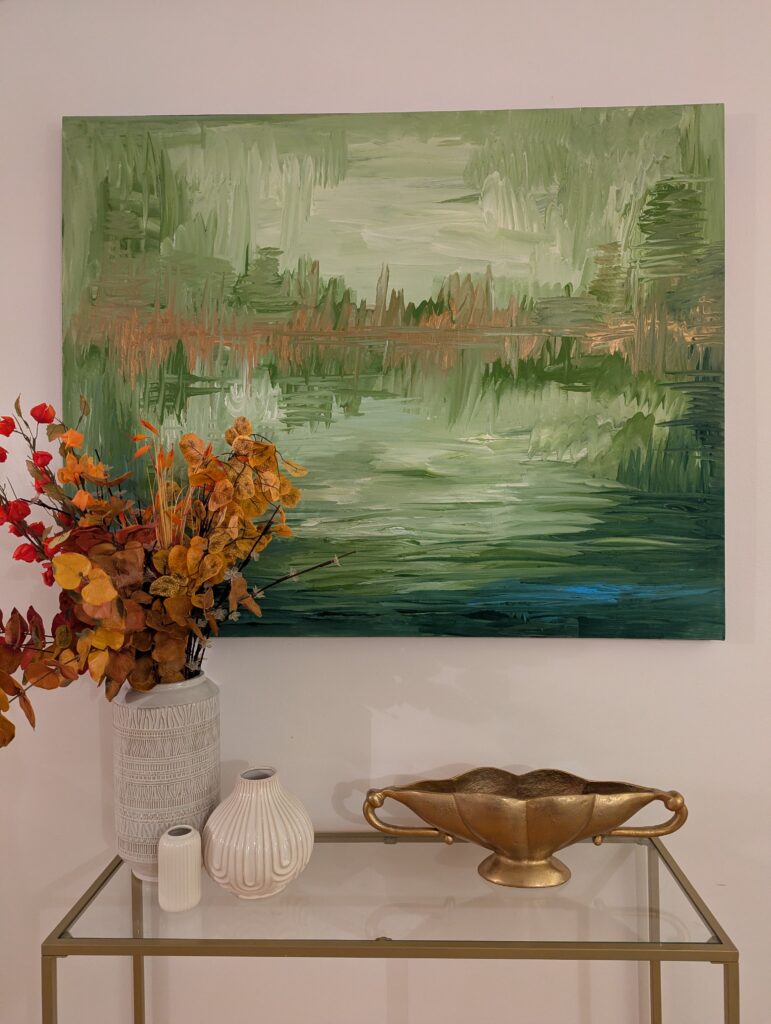
Last month, I intentionally began several paintings with staging in mind. I knew green would be important for future projects, so I created two pieces for this home — one large horizontal painting and one smaller vertical.
But these weren’t random abstract pieces.
I grew up in the Adirondacks — surrounded by mountains, lakes, and forests. Those landscapes deeply shaped my sense of beauty and calm. When I paint greens, I naturally layer them the way nature does: never flat, never one-note.

How I Painted the Artwork
- I started with a layered base of muted sage and deeper forest tones.
- I used loose brush strokes to create movement — mimicking wind through trees.
- Finally, I incorporated subtle gold and metallic accents to echo the light fixtures in the room.
The gold detailing ties into:
- The fireplace hardware
- Metallic décor elements
- Hardware on the light fixtures
This is where staging and authentic design intersect. The art wasn’t just decorative — it told a story.
Buyers respond to that emotional layering. Homeowners benefit from it too.
One thing I did not account for is the professional photographers use a filter that alters the greens into looking lime colored. I am dissappointed.
Mixing Contemporary and Vintage for Balanced Interiors
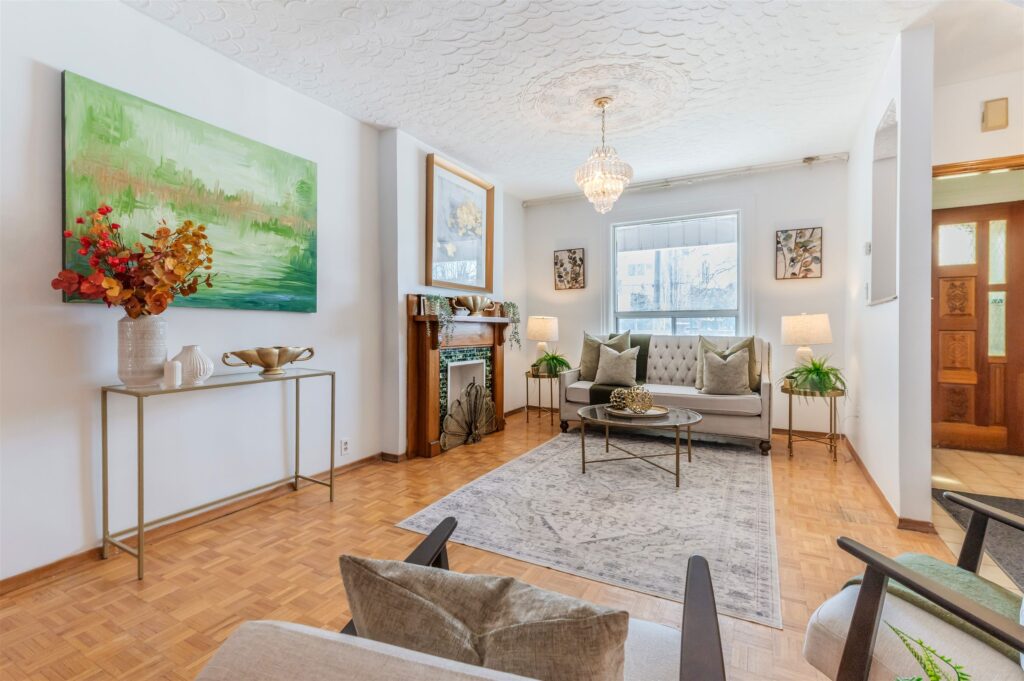
To satisfy the desire for contemporary styling, I used modern tables in the living room.
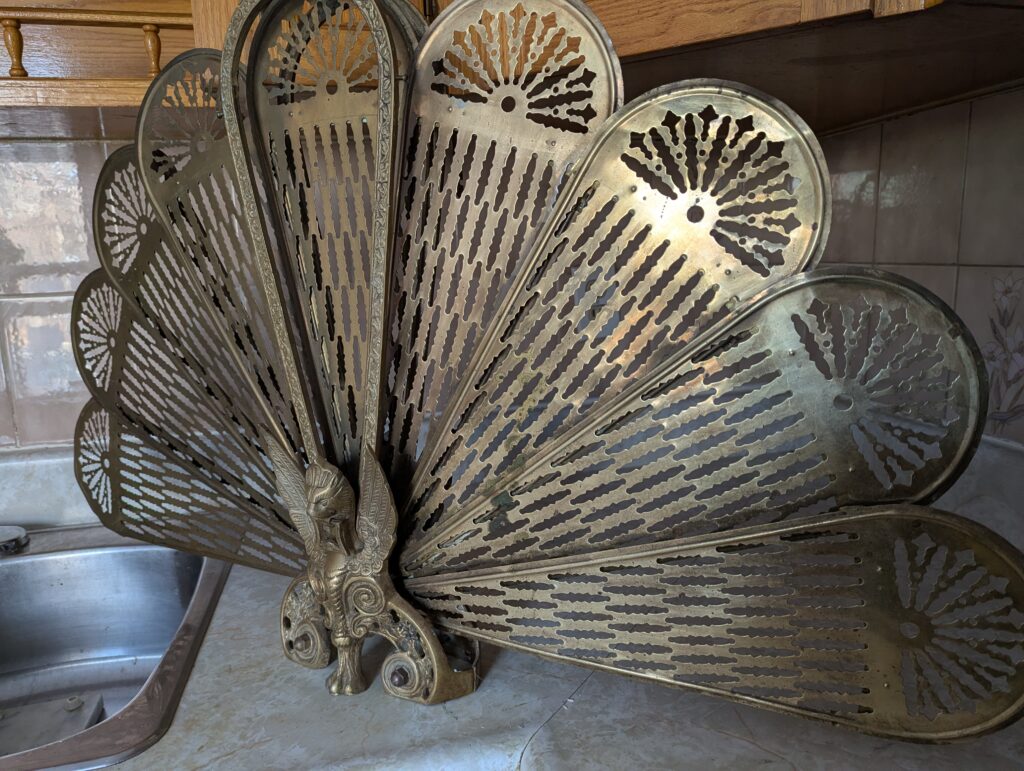
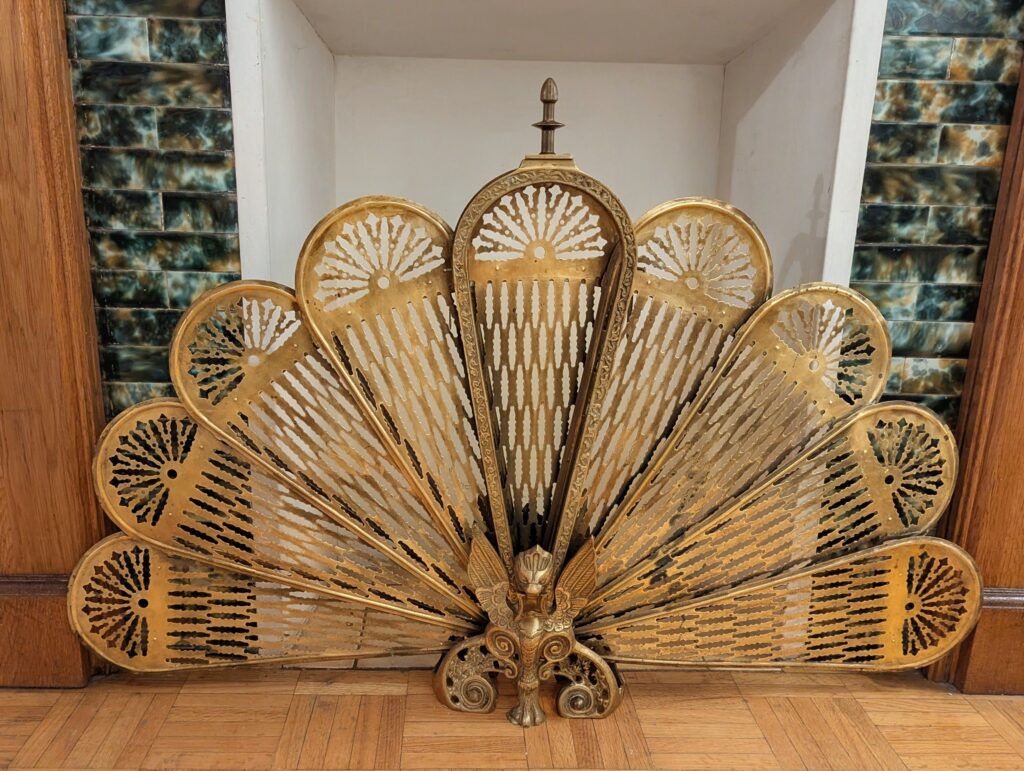
But I layered in a vintage Victorian brass peacock fireplace screen.
That piece required serious polishing — one of my “screaming deals” that came with effort. It was dull and heavily tarnished. After hours of work, the brass gleamed again.
The result?
It visually bridged the historic architecture and contemporary furnishings.
I also layered texture with a vintage Moroccan tray on the coffee table.
A purely contemporary house can feel sterile. Mixing vintage and modern creates authenticity — something both Toronto buyers and homeowners crave.
You can see more living room transformations in my staging portfolio.
Defining Zones in an Open Floor Plan
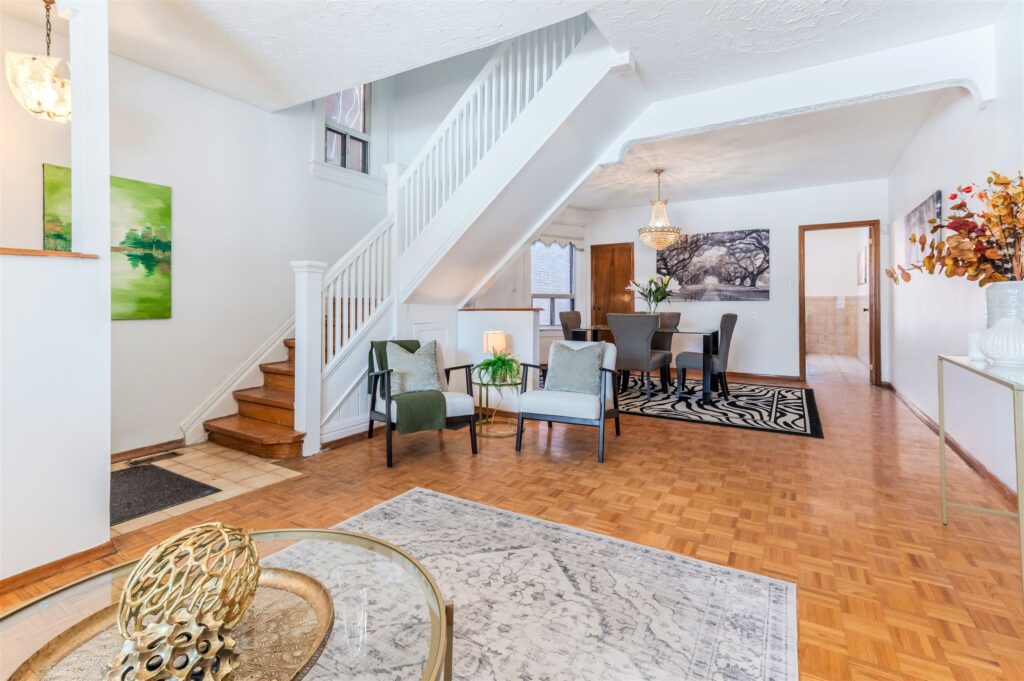
This home has an open living and dining layout, common in many Toronto homes.
To create separation:
- The living room followed a green and gold palette.
- The dining room shifted to black and white.
- Separate rugs defined each zone.
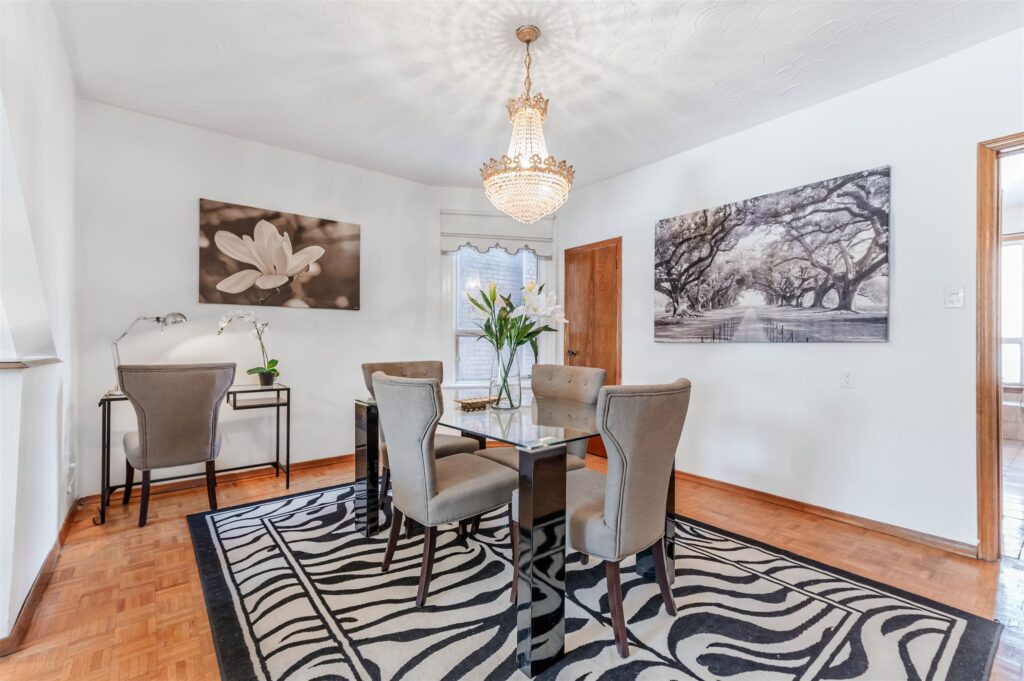
The dining room featured:
- Black metal elements
- Organic black-and-white artwork
- A zebra-patterned rug
- A glass dining table to maintain modern appeal
Zoning is one of the most important design tricks for open floor plans.
Sustainable Design: Upcycling with Intention
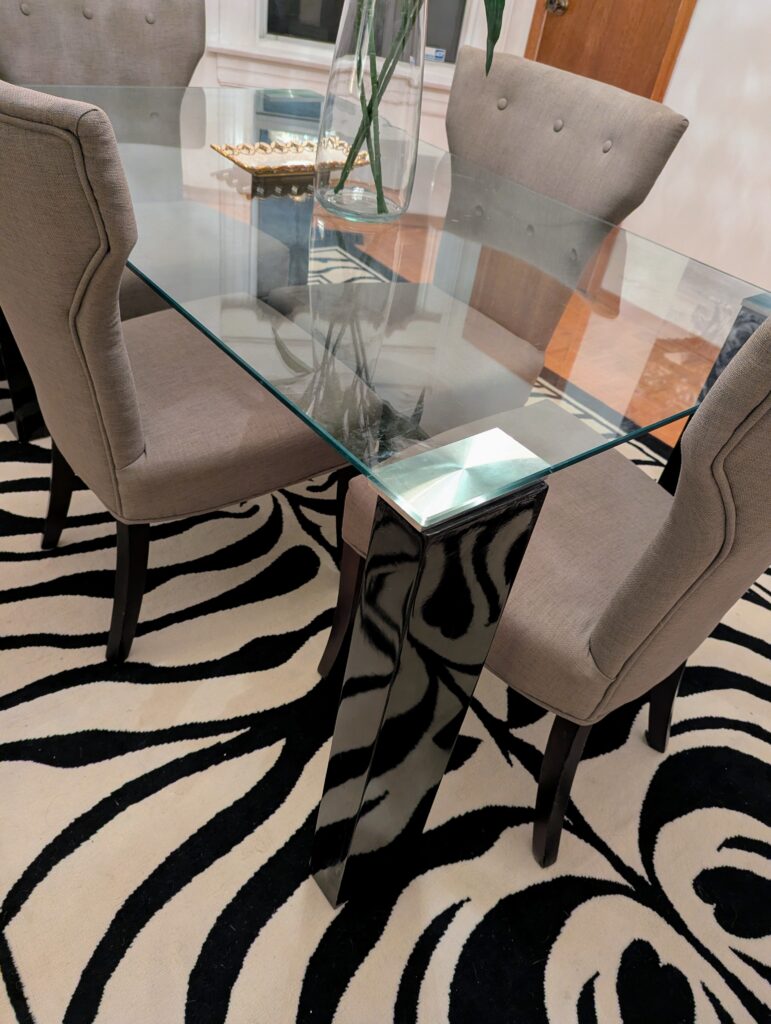
The glass dining table was a major win.
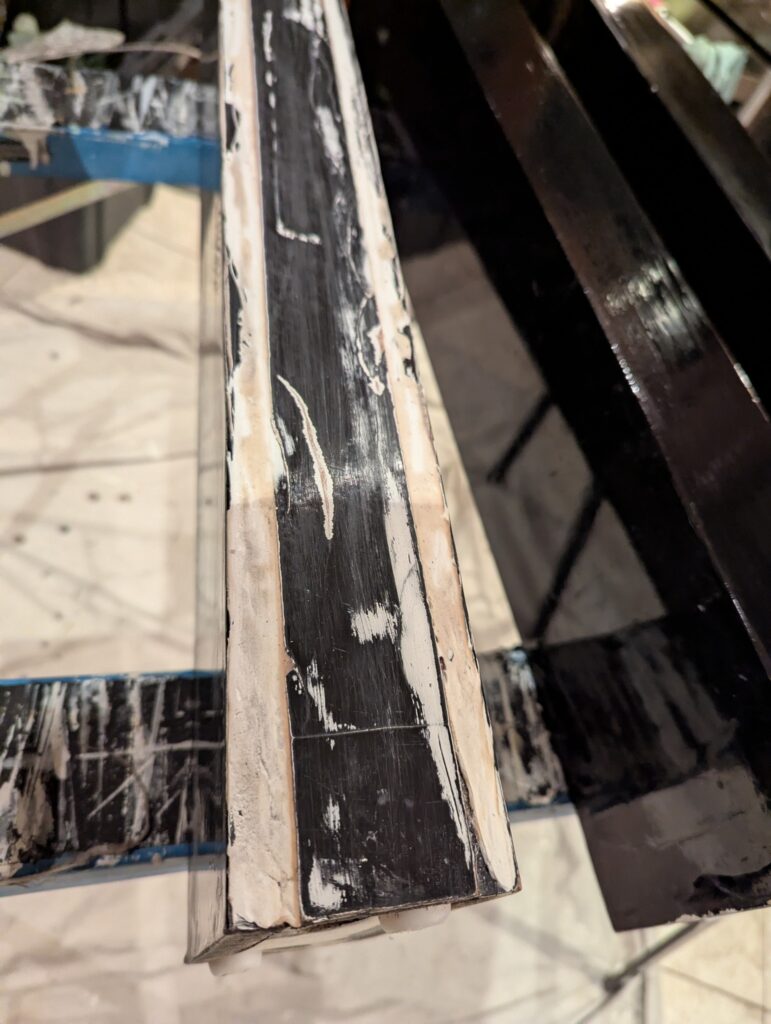
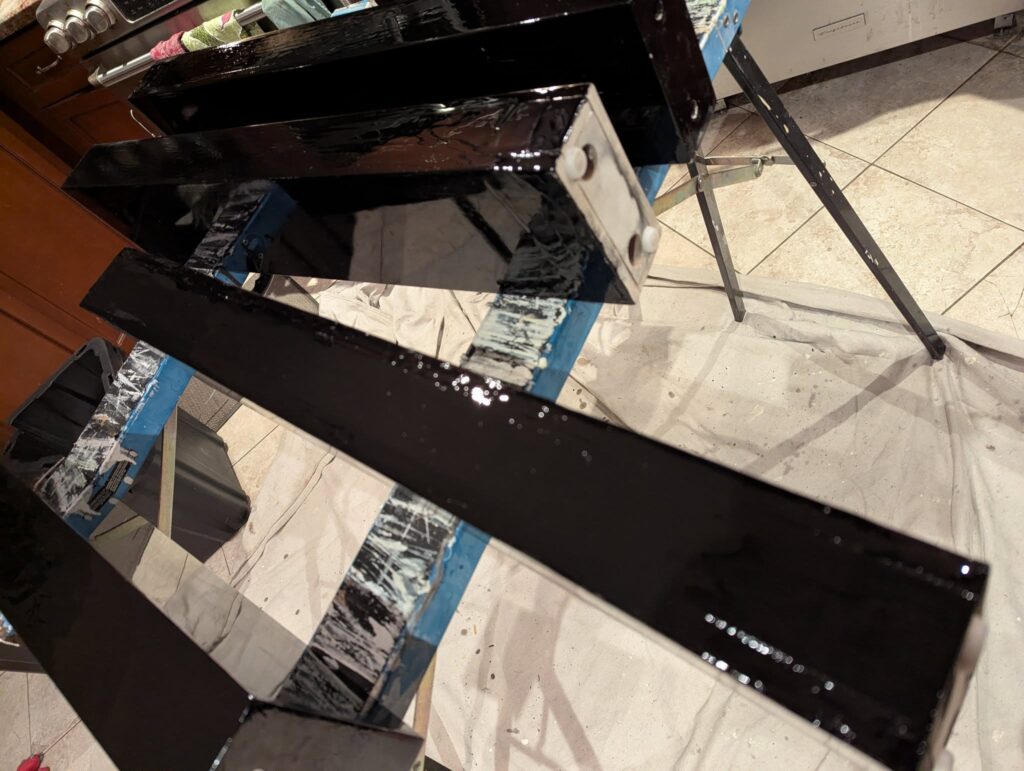
Retail price of this table is quite high and I found it for a great price but it was a fixer- upper. One problem with this kind of project is that this beast of a table is extremely heavy. Transport required serious coordination. Condition: questionable.
The legs were damaged. Wood was split. Parts were missing.
With repair work and fresh paint, it transformed completely.
It was such hard work I needed to reflect on my relationship with upcycling.
It’s easier to buy new.
It’s faster.
It’s less frustrating.
But thoughtful restoration:
- Reduces landfill waste
- Preserves quality materials
- Creates unique inventory
- Encourages sustainable living
Especially in a city like Toronto, where construction waste and consumption are high, conscious design choices matter.
Flexible Dining Spaces for Modern Buyers
Today’s buyers value flexibility. Formal dining rooms are used less frequently, while home offices are in high demand.
In this staging, I included a desk in the dining area. The glass and black metal design kept the contemporary aesthetic intact while suggesting:
“This space can work for you.”
That subtle suggestion can expand a buyer’s imagination — and perceived value. Good staging always hints at possibility. Good design always supports real life.
Staging (and Decorating) a Dated Kitchen Without Renovating
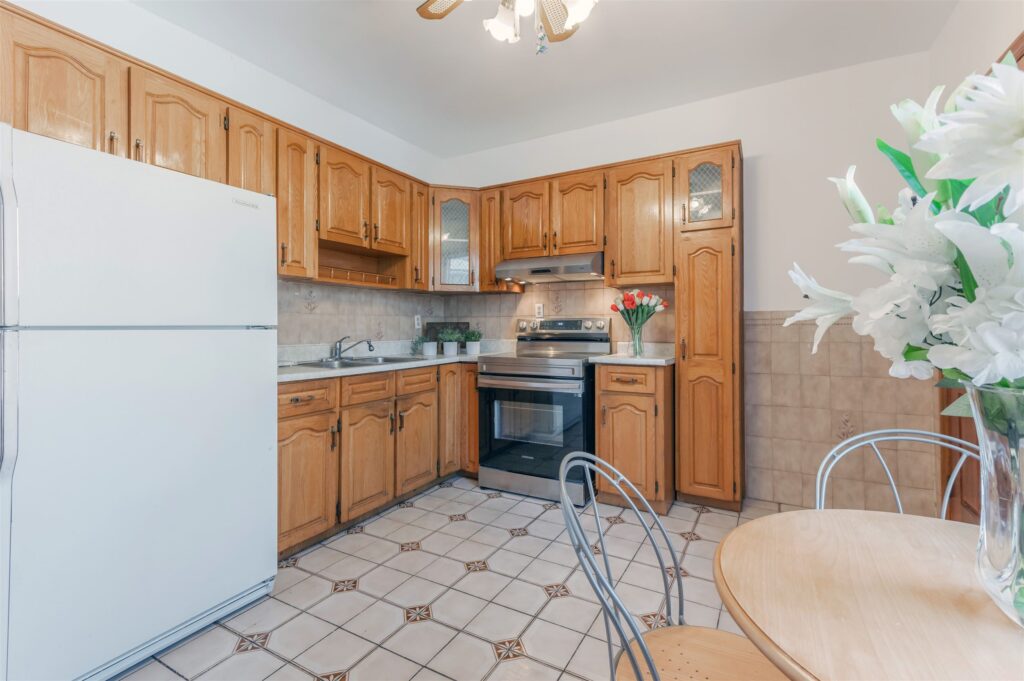
The kitchen cabinets were not renovated and replacing them was not in budget.
Instead of fighting the wood tones with ultra-modern furniture, I leaned into them.
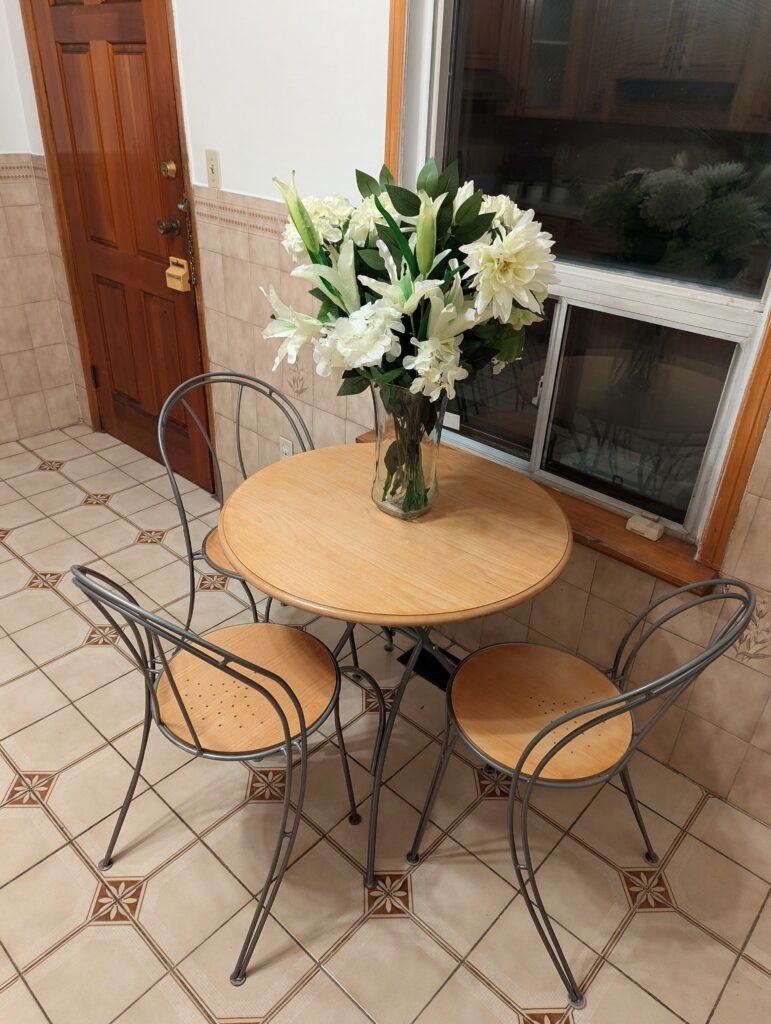
I sourced a wood and iron table set that complemented the cabinetry. The curvy iron detailing added elegance, and the chairs stack beautifully and the table folds up — practical bonus for staging inventory.
The table had water damage from a glass ring. We sanded and revarnished it, and it turned out better than brand new.
This is an important design principle:
When you can’t change something, harmonize with it.
The Primary Bedroom: Designing for Comfort and Texture
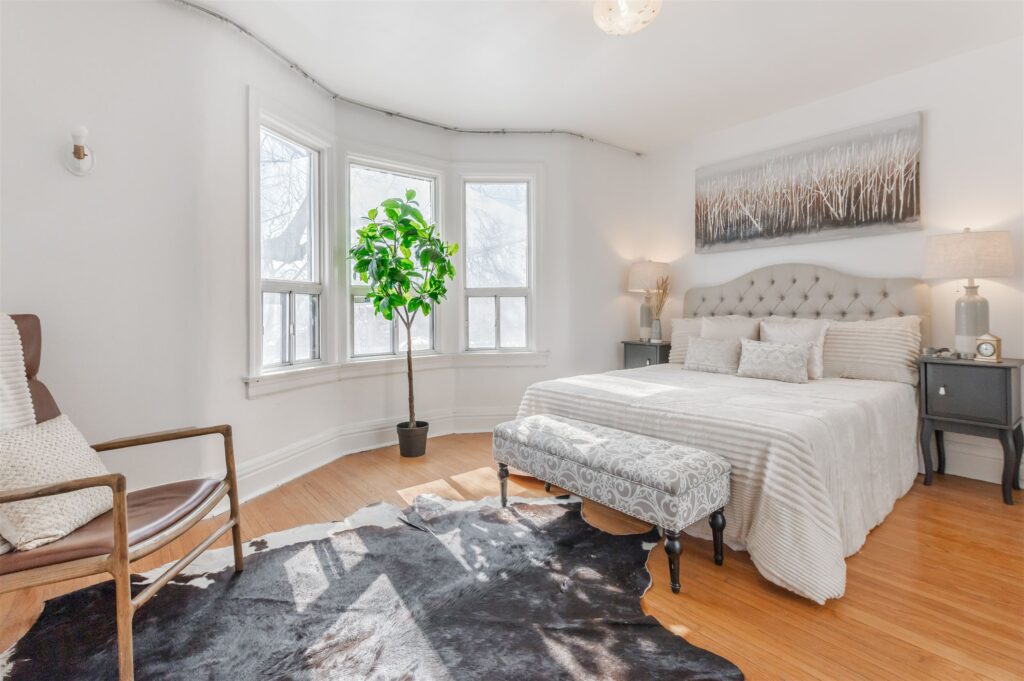
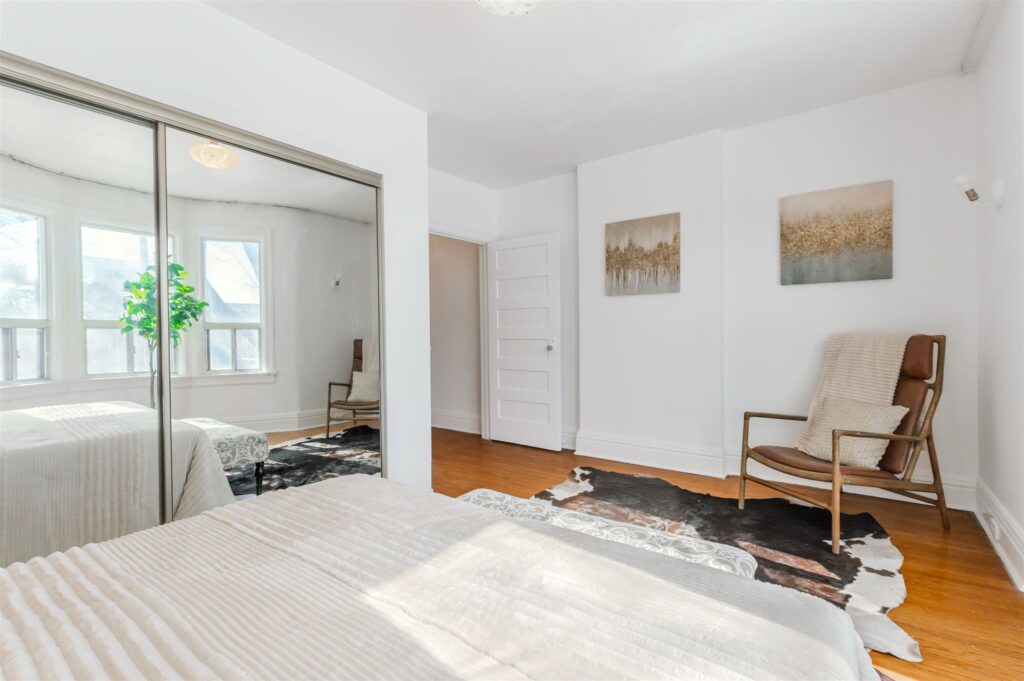
The primary bedroom features my favorite bed set.
The fuzzy bedding layered with dressier pieces creates the perfect balance of cozy and polished. It feels welcoming — which is exactly what a bedroom should feel like.
The cowhide rug reinforces the organic material theme seen throughout the house.
Bedrooms are one of the most emotionally influential rooms in a staged home. You can also have fun with them. Here is another bedroom using the cow hide rug with a different theme.
https://weclick.com/teddy-bear-themed-bedroom/
Sourcing and Restoring the Bench
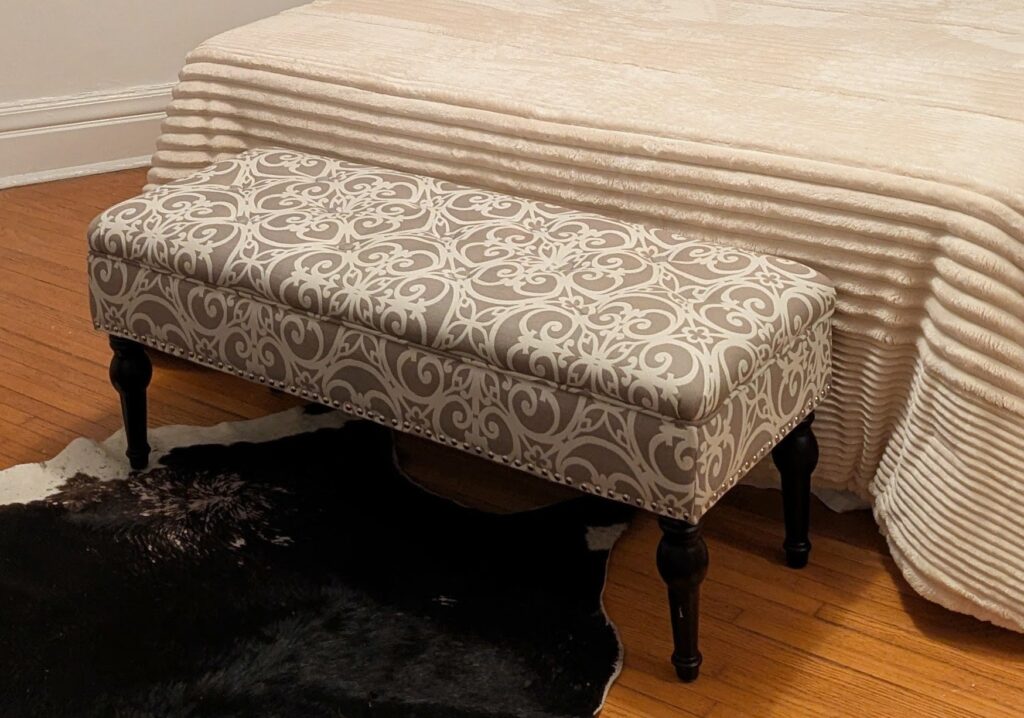
This set did not include a bench, and visually it needed one.
I sourced one that was described as “perfect condition.”
It wasn’t.
This is one of those fascinating moments in thrifting — condition is subjective.
I used my Bissell cleaning machine, and I am genuinely impressed with how it rejuvenates upholstered pieces. It brought the bench back to life.
Layering Texture and Sparkle for Cohesion
The three pieces of artwork in the bedroom include subtle sparkles. Those sparkles tie into the beaded cushions on the bed and accent chair. The throw on the chair is fuzzy — intentionally echoing the bedding.
This repetition of texture creates harmony. It’s subtle, but powerful.
The Bigger Design Lesson
Whether you are staging a Toronto home to sell or decorating your own Victorian-influenced property, the principles remain the same:
- Start with what the house gives you.
- Layer color tones instead of matching exactly.
- Blend modern and vintage intentionally.
- Use texture to create warmth.
- Define open spaces clearly.
- Consider sustainability and restoration.
- Tell a story through art and pieces that have a personal meaning.
Toronto’s architectural landscape is layered — historic charm meets rapid development.
Our interiors can reflect that same thoughtful blend.
And when design feels cohesive, authentic, and warm — buyers respond to it.
But more importantly, people feel at home.
If you’re selling a home in Toronto and want to highlight its character while appealing to modern buyers, let’s talk. https://weclick.com/contact/